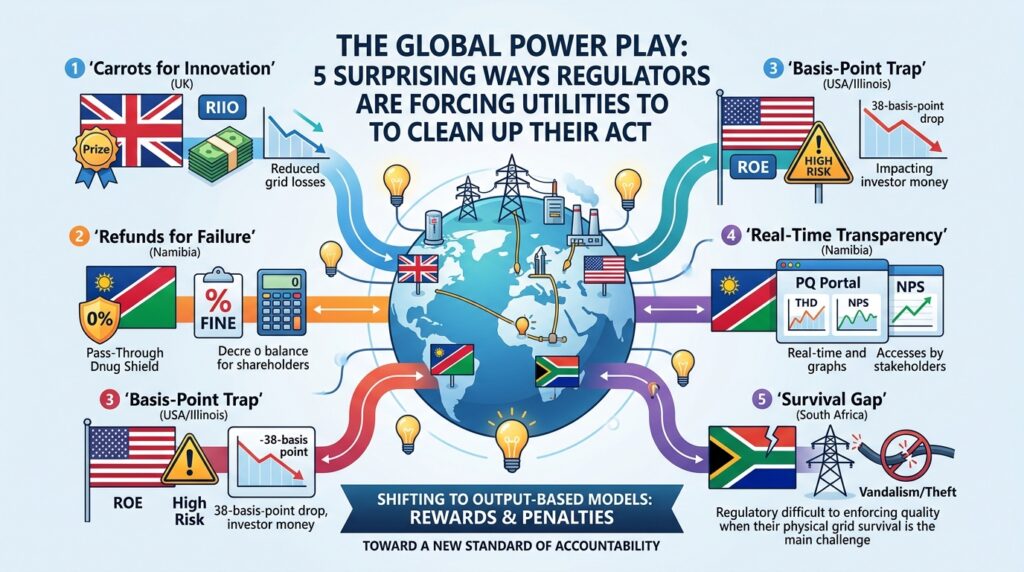


Reforming NERSA requires more than cosmetic changes—it demands a comprehensive approach rooted in accountability, transparency, and technical competence. As South Africa’s energy future hangs in the balance, the regulator must evolve from reactive decision-making to proactive governance. By strengthening oversight, aligning with international best practices, and prioritizing consumer protection, reform can restore trust, stabilize the sector, and ensure that energy regulation serves the public interest rather than perpetuating inefficiency.
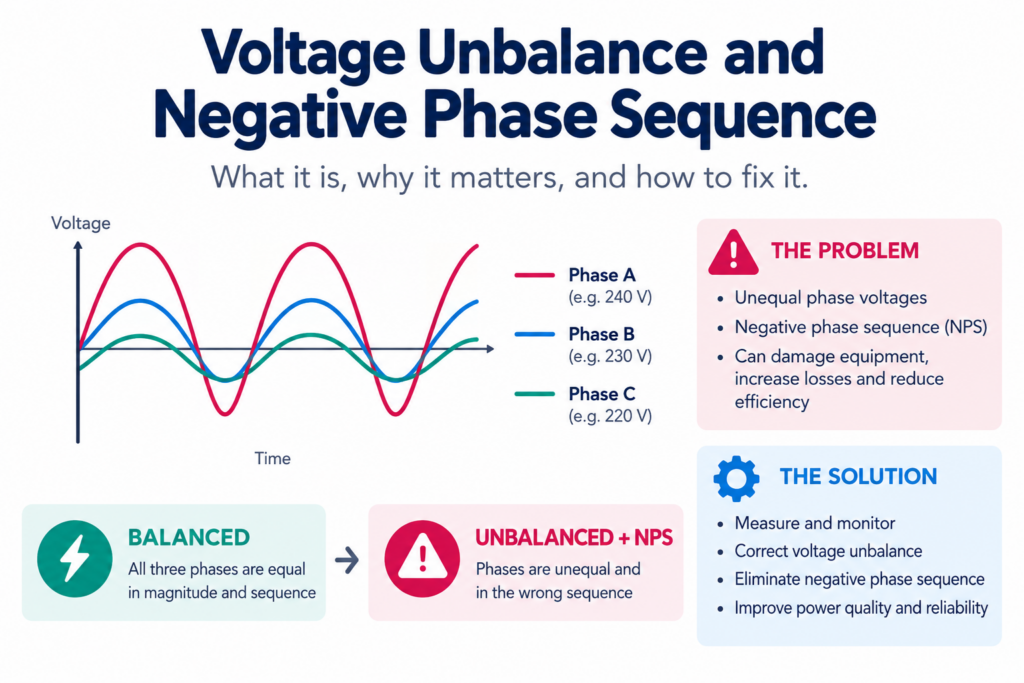
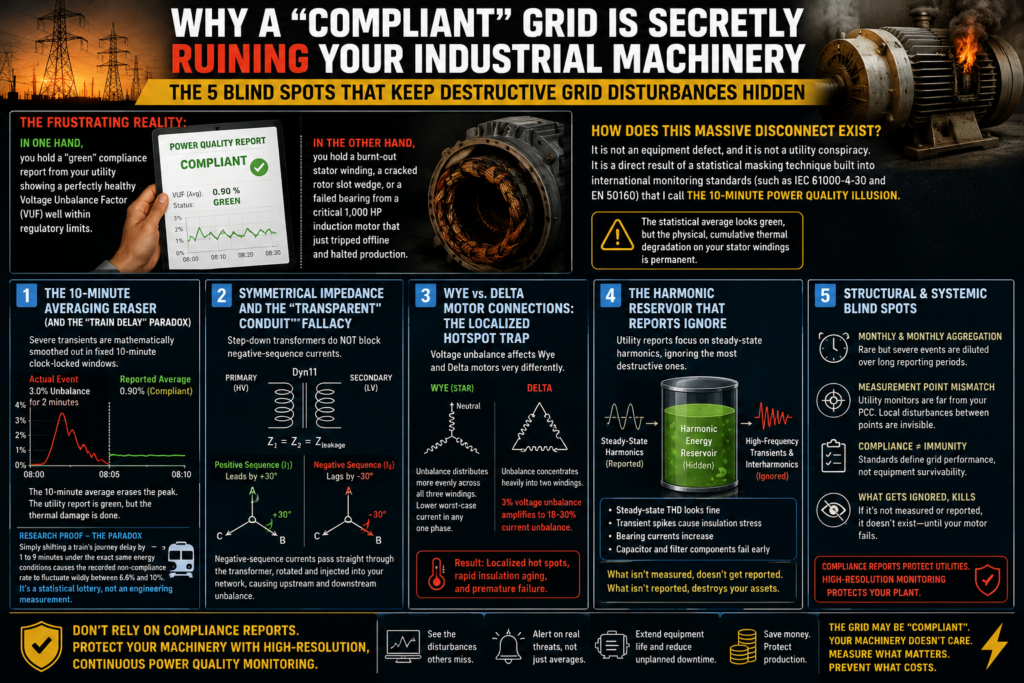
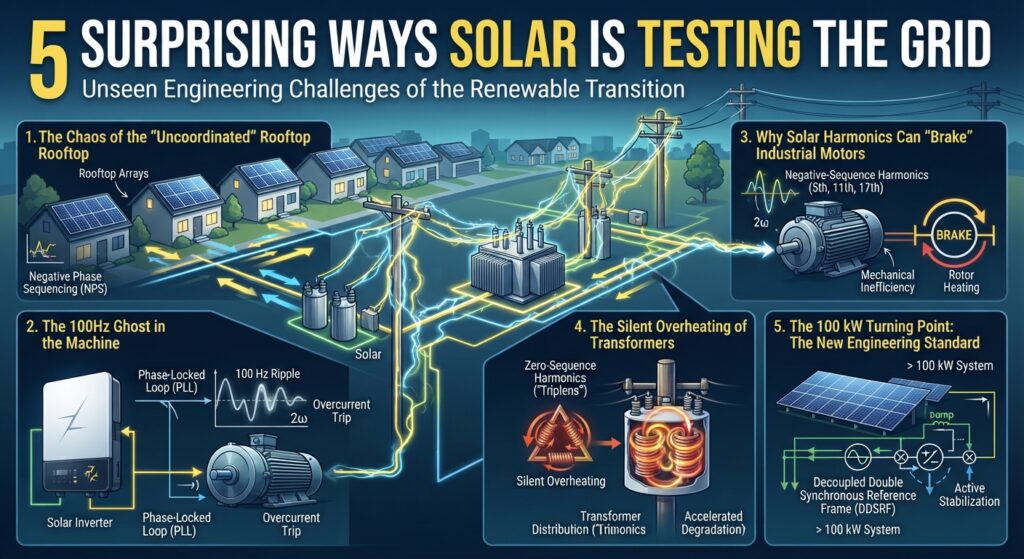
Unbalanced power networks are more than a technical nuisance—they erode efficiency, shorten equipment lifespans, and inflate operating costs. Understanding power quality is essential for identifying hidden risks such as voltage fluctuations, harmonics, and load imbalances. By prioritizing monitoring and corrective strategies, organizations can improve reliability, reduce downtime, and ensure that their energy systems support both sustainability and long-term profitability.
Notice: JavaScript is required for this content.
NERSA’s role in South Africa’s electricity sector is pivotal, yet increasingly contested. As the regulator, it must balance utility sustainability with consumer protection, but inefficiencies, opaque processes, and inconsistent decision-making have eroded trust. A critical examination reveals the urgent need for reform—strengthening transparency, aligning with global best practices, and ensuring that regulation drives stability, efficiency, and fairness across the energy landscape.
Notice: JavaScript is required for this content.
As South Africa’s electrical grid shifts away from centralized, coal-fired thermal generation toward non-synchronous renewable energy sources, it faces an immediate, existential structural vulnerability: the systemic depletion of power system inertia.
The decommissioning of massive, synchronized spinning generator rotors removes the physical, electromechanical buffer that has historically stabilized the transmission network. While utility-scale Battery Energy Storage Systems (BESS) are critical components of a modern grid mitigation strategy, relying on them as a drop-in replacement for physical inertia introduces a catastrophic protection gap. This briefing addresses the structural mechanics of a Rate of Change of Frequency (RoCoF) Surge and details why digital response times cannot outrun the immediate physics of an inertia-starved power system.
Notice: JavaScript is required for this content.