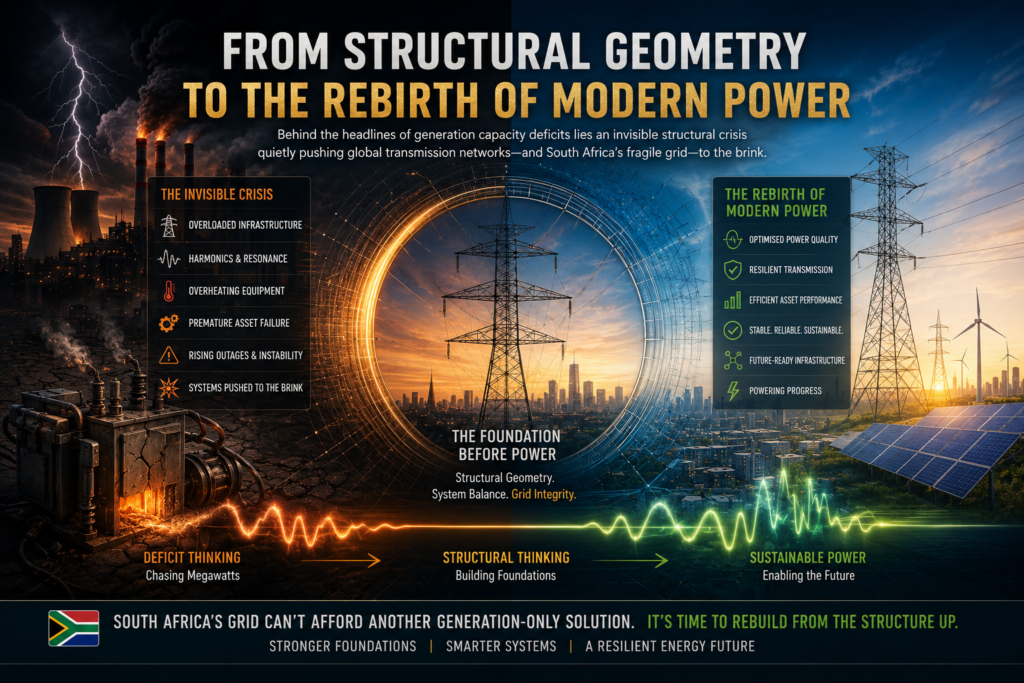

NERSA’s role in South Africa’s electricity sector is pivotal, yet increasingly contested. As the regulator, it must balance utility sustainability with consumer protection, but inefficiencies, opaque processes, and inconsistent decision-making have eroded trust. A critical examination reveals the urgent need for reform—strengthening transparency, aligning with global best practices, and ensuring that regulation drives stability, efficiency, and fairness across the energy landscape.
Notice: JavaScript is required for this content.
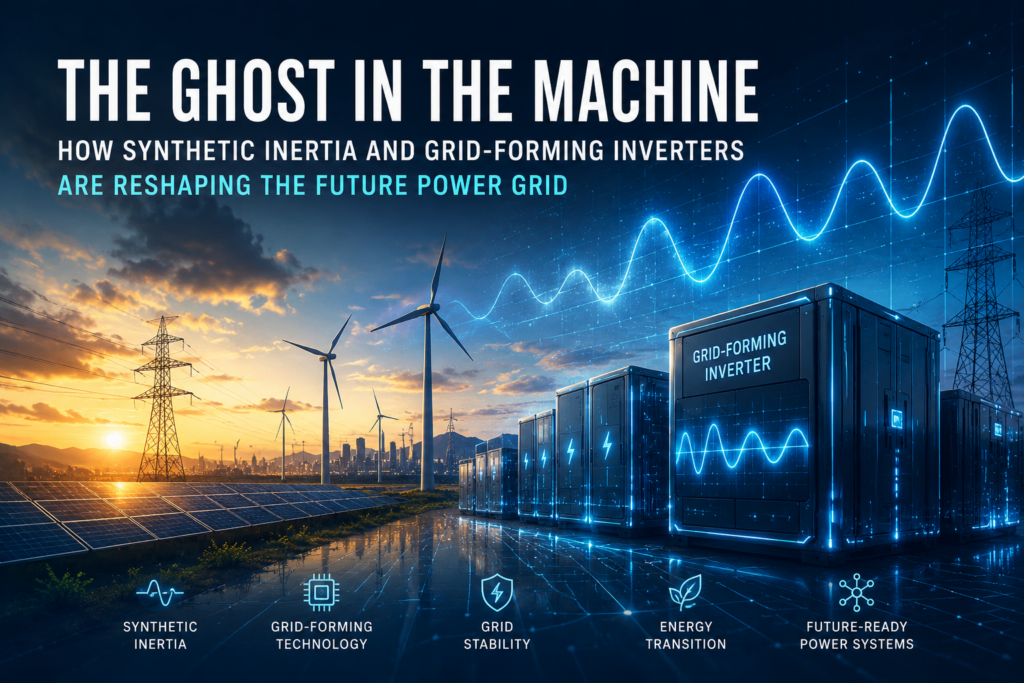
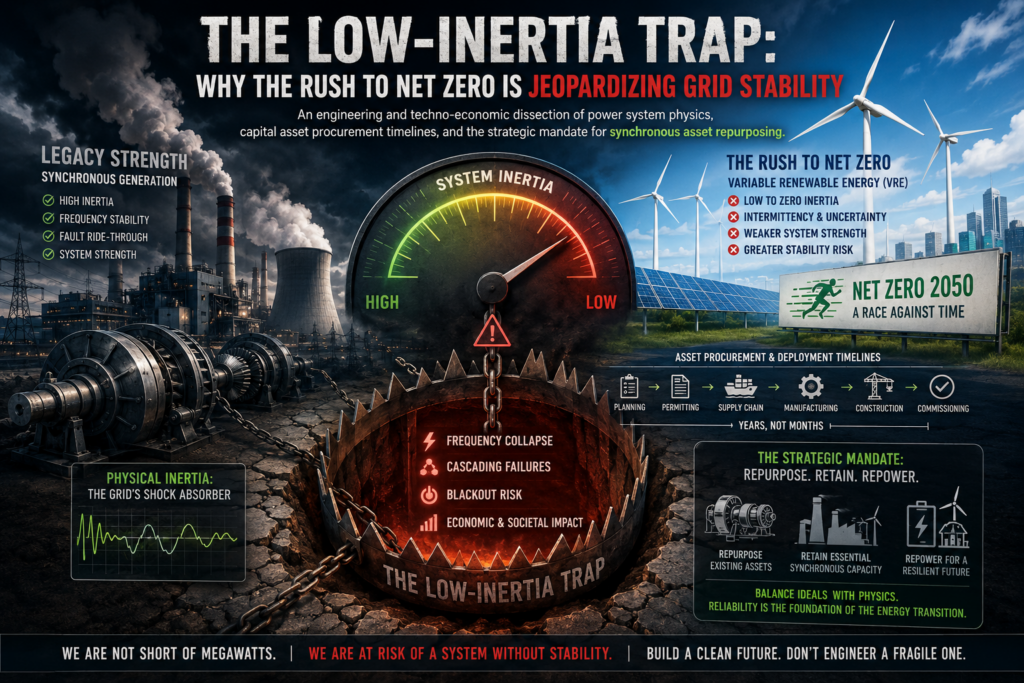
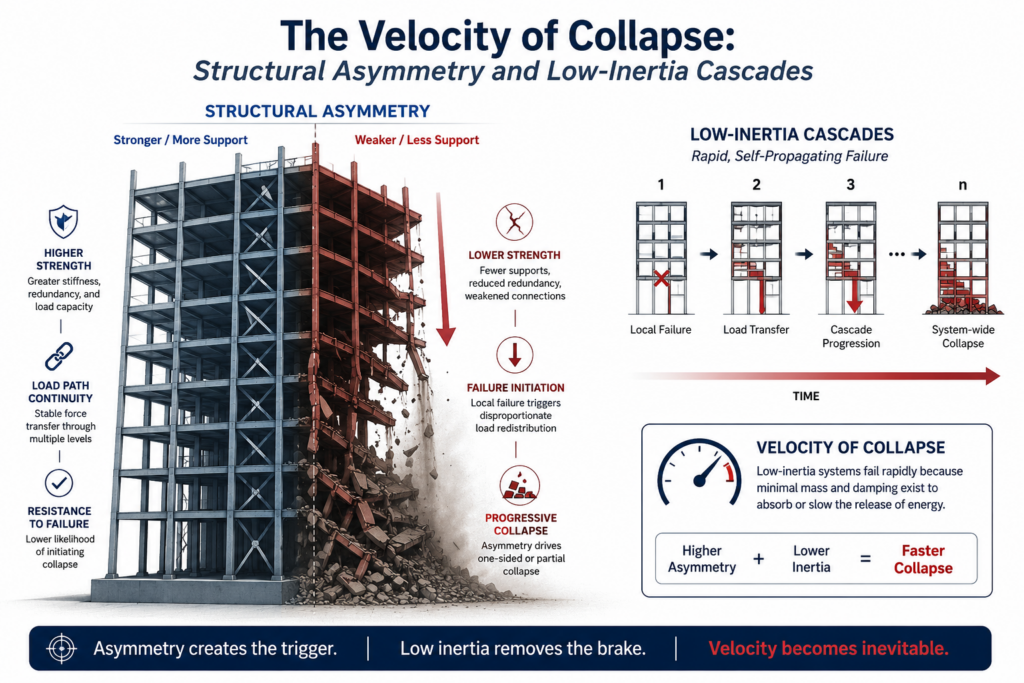
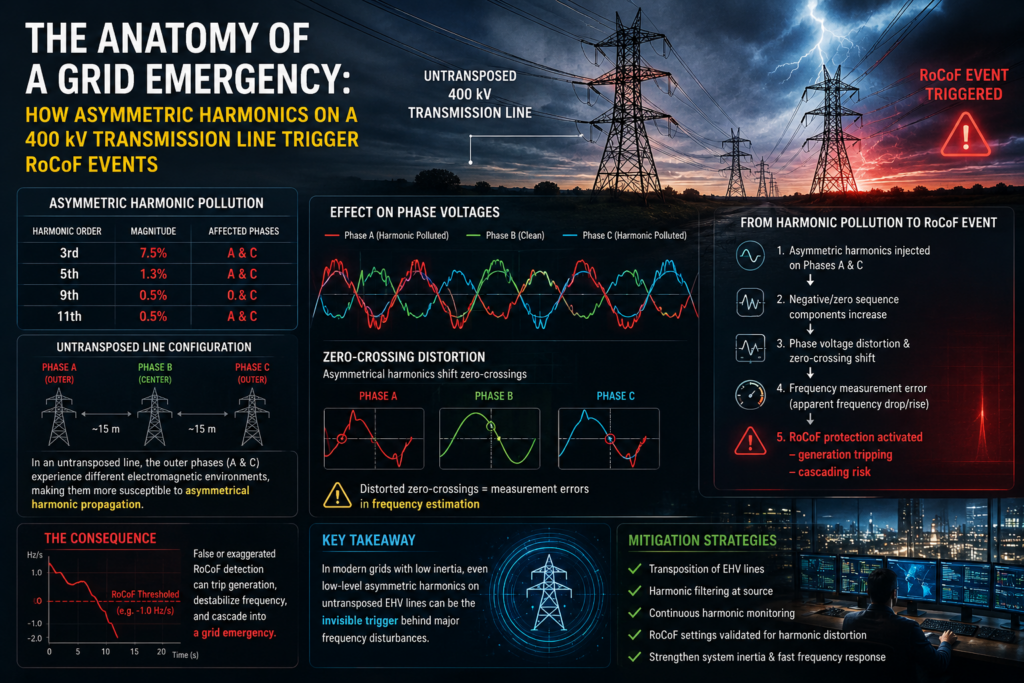
As South Africa’s electrical grid shifts away from centralized, coal-fired thermal generation toward non-synchronous renewable energy sources, it faces an immediate, existential structural vulnerability: the systemic depletion of power system inertia.
The decommissioning of massive, synchronized spinning generator rotors removes the physical, electromechanical buffer that has historically stabilized the transmission network. While utility-scale Battery Energy Storage Systems (BESS) are critical components of a modern grid mitigation strategy, relying on them as a drop-in replacement for physical inertia introduces a catastrophic protection gap. This briefing addresses the structural mechanics of a Rate of Change of Frequency (RoCoF) Surge and details why digital response times cannot outrun the immediate physics of an inertia-starved power system.
Notice: JavaScript is required for this content.