
24
Feb
Feb
Notice: JavaScript is required for this content.
Notice: JavaScript is required for this content.
Notice: JavaScript is required for this content.

Notice: JavaScript is required for this content.
Here is a **concise, strong excerpt** suitable for a **website blog preview, homepage teaser, or newsletter intro** (±70–90 words):
—
South Africans are once again being asked to pay more for electricity while receiving less of it. NERSA’s Redetermination of Eskom’s MYPD6 Regulated Asset Base attempts to shift the cost of decades of mismanagement, inefficiency, and regulatory failure onto consumers. In a context of declining demand, chronic load shedding, worsening power quality, and repeated court losses by the regulator, this decision is neither fair nor defensible. This article explains why the MYPD6 RAB Redetermination must be rejected in full—and why consumers should no longer be forced to carry Eskom’s baggage.
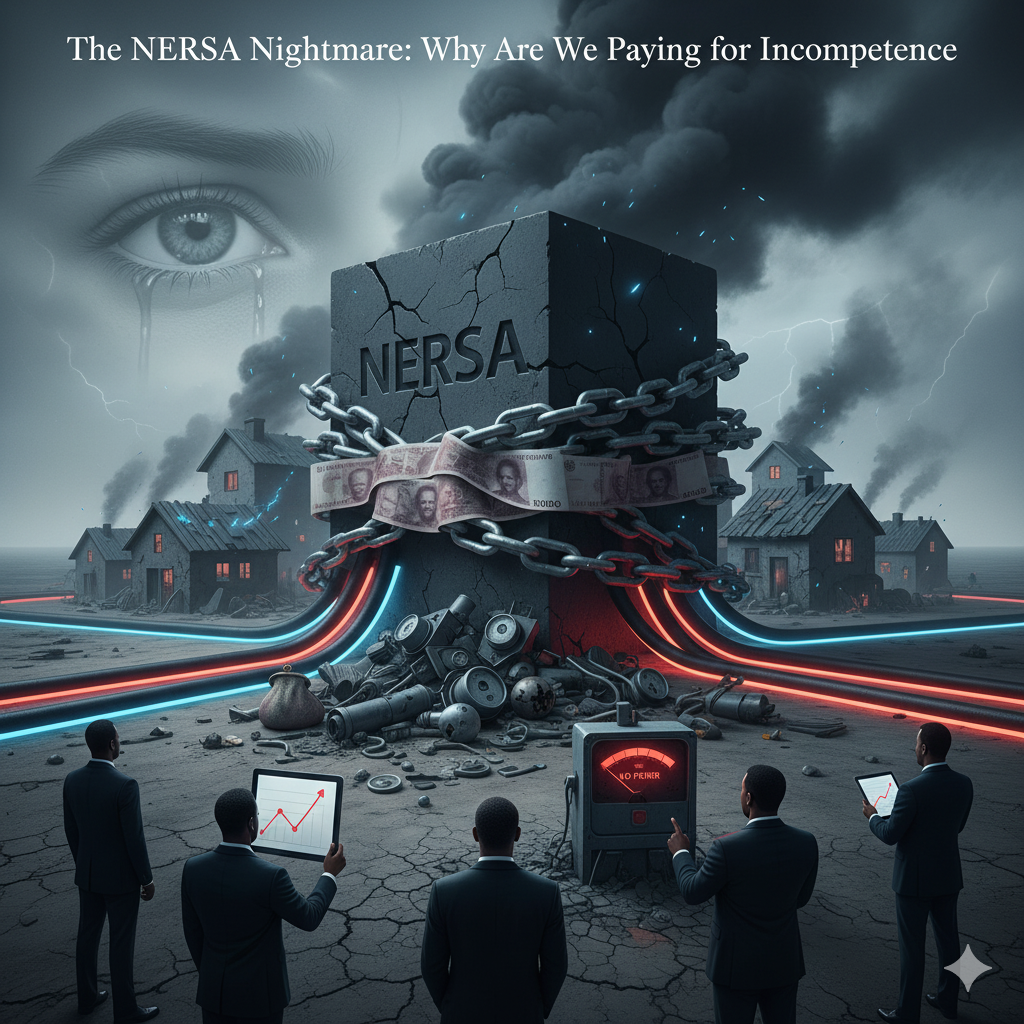
NERSA has once again proven its incompetence—ignoring critical warnings, losing court battles, and forcing consumers to pay billions for technical losses that stem directly from poor power quality. Instead of protecting the public, the regulator has become a liability, wasting taxpayer money while unbalanced networks quietly destroy our equipment and drain our economy. The question is unavoidable: why are we funding failure instead of demanding accountability?

Future-proofing asset management is not about chasing trends—it’s about building resilient systems that unlock growth over decades. By aligning lifecycle planning, digital transformation, and sustainability, organizations can move beyond short-term fixes and create infrastructure that thrives in uncertainty. The companies that embrace this shift will not only protect their assets but also position themselves as leaders in long-term success.

Future-proofing the workforce means more than adopting new technologies—it requires empowering employees with the skills, confidence, and adaptability to thrive in the digital age. By investing in continuous learning, fostering innovation, and creating inclusive environments, organizations can unlock human potential while navigating rapid change. The companies that succeed will be those that treat digital transformation not as a threat, but as an opportunity to elevate their people.
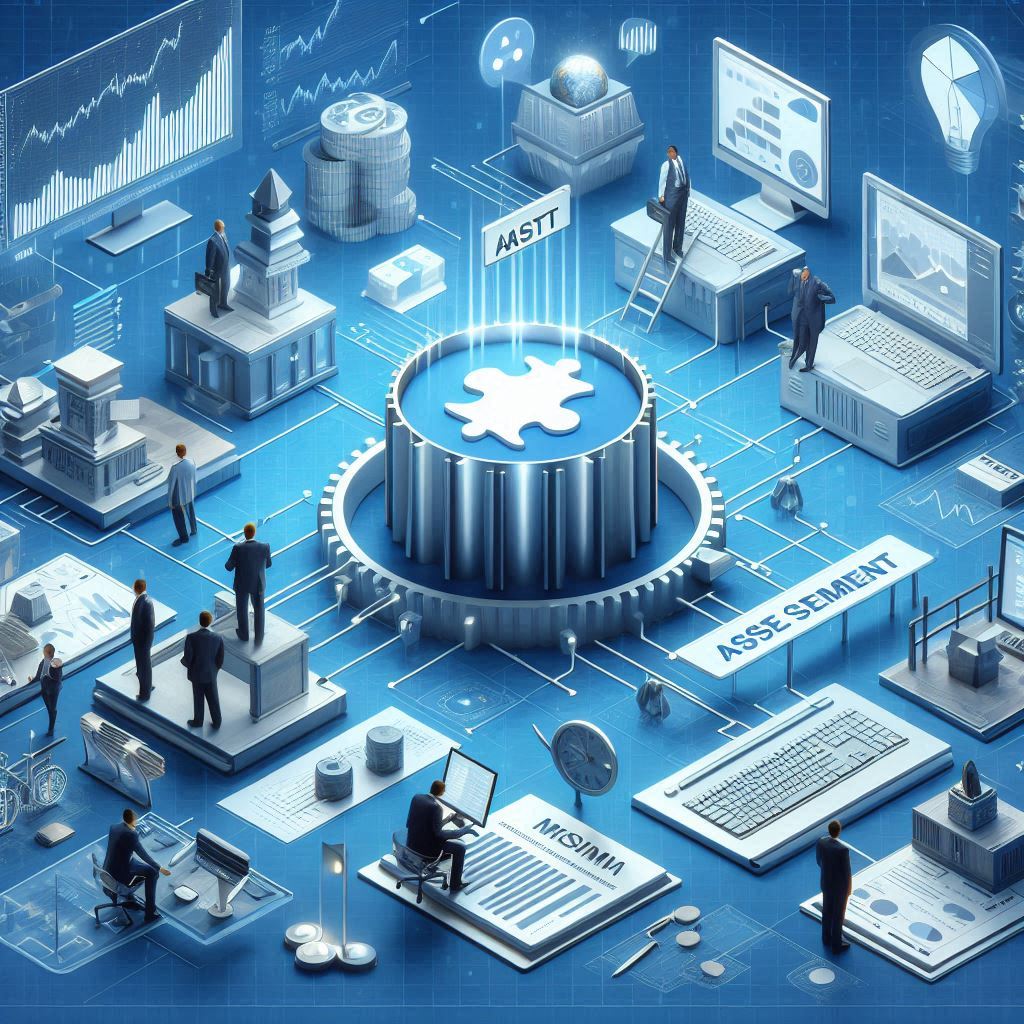
Selecting and implementing cutting-edge asset management technologies is not about chasing the latest tools—it’s about aligning innovation with strategy. Organizations must evaluate solutions through the lens of lifecycle value, integration potential, and long-term resilience. By combining rigorous selection criteria with disciplined implementation, leaders can unlock efficiency, reduce risk, and position their infrastructure for sustainable growth in a rapidly evolving digital landscape.

True transformation begins with clarity of purpose. Assessing and setting winning goals is not about ticking boxes—it’s about aligning vision, strategy, and measurable outcomes that drive sustainable change. Organizations that define goals through rigorous evaluation, stakeholder engagement, and long-term impact will not only navigate disruption but also emerge stronger, more agile, and future-ready.

Paper-based maintenance may feel familiar, but it’s draining your organization of time, money, and efficiency. Manual logs slow down decision-making, create errors, and hide critical insights that digital systems can reveal instantly. By clinging to outdated methods, companies risk higher costs, reduced reliability, and missed opportunities for growth. The future of maintenance is digital, and the sooner you embrace it, the faster you unlock real value.