26
May
May
Notice: JavaScript is required for this content.
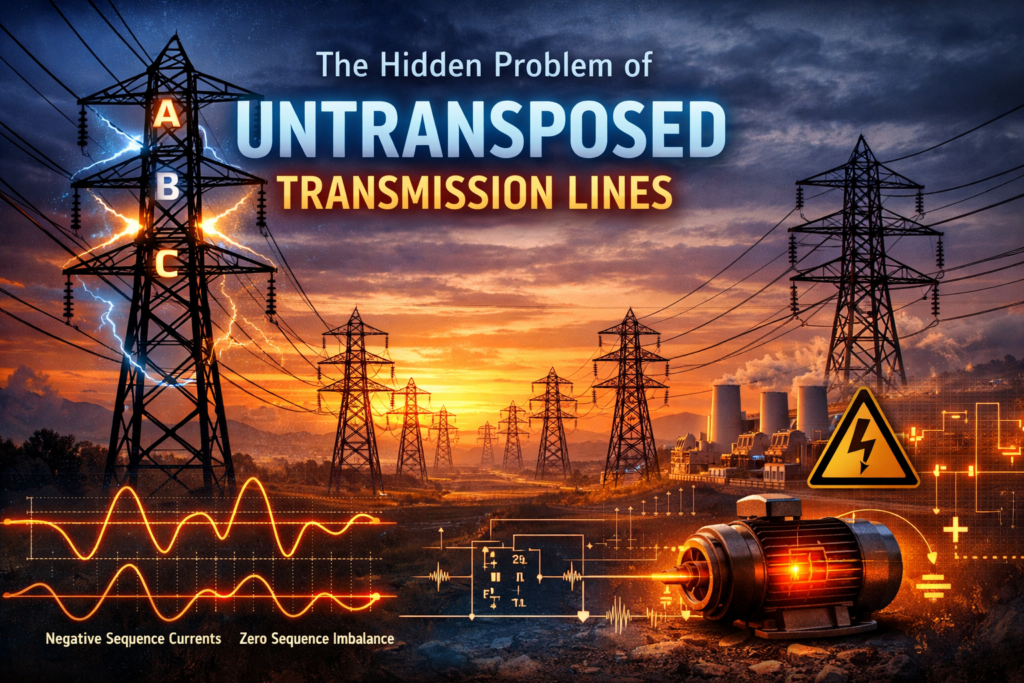
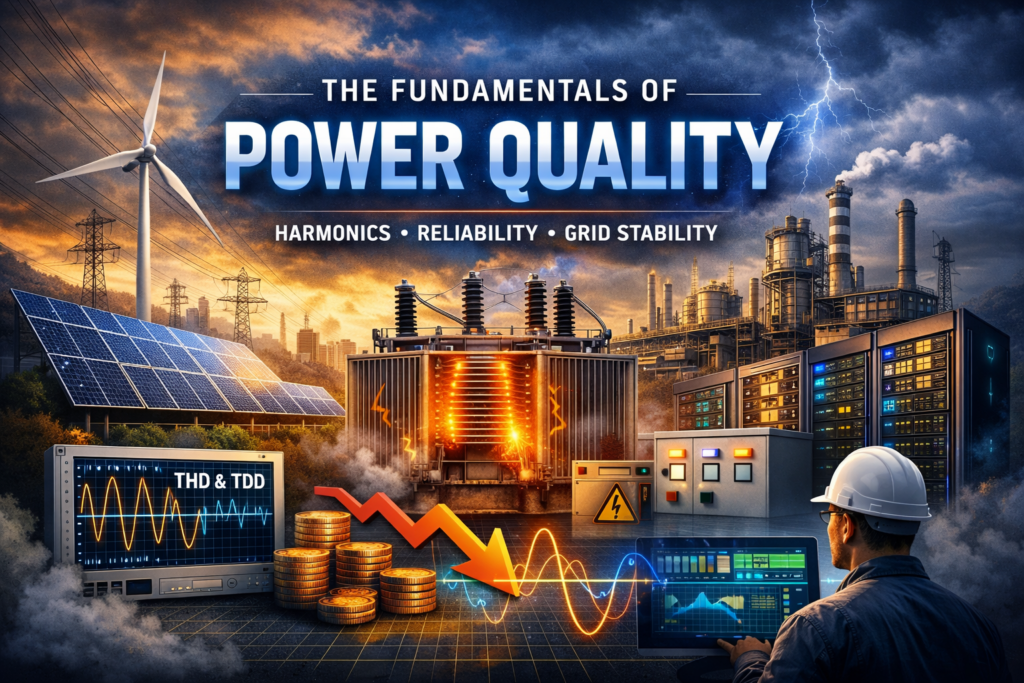
Power Quality Matters involve detecting phase imbalances and ensuring that all phasors have equal magnitudes and are symmetrically phase-shifted by 120 degrees relative to each other.
Notice: JavaScript is required for this content.
Notice: JavaScript is required for this content.
Notice: JavaScript is required for this content.
Notice: JavaScript is required for this content.
Notice: JavaScript is required for this content.
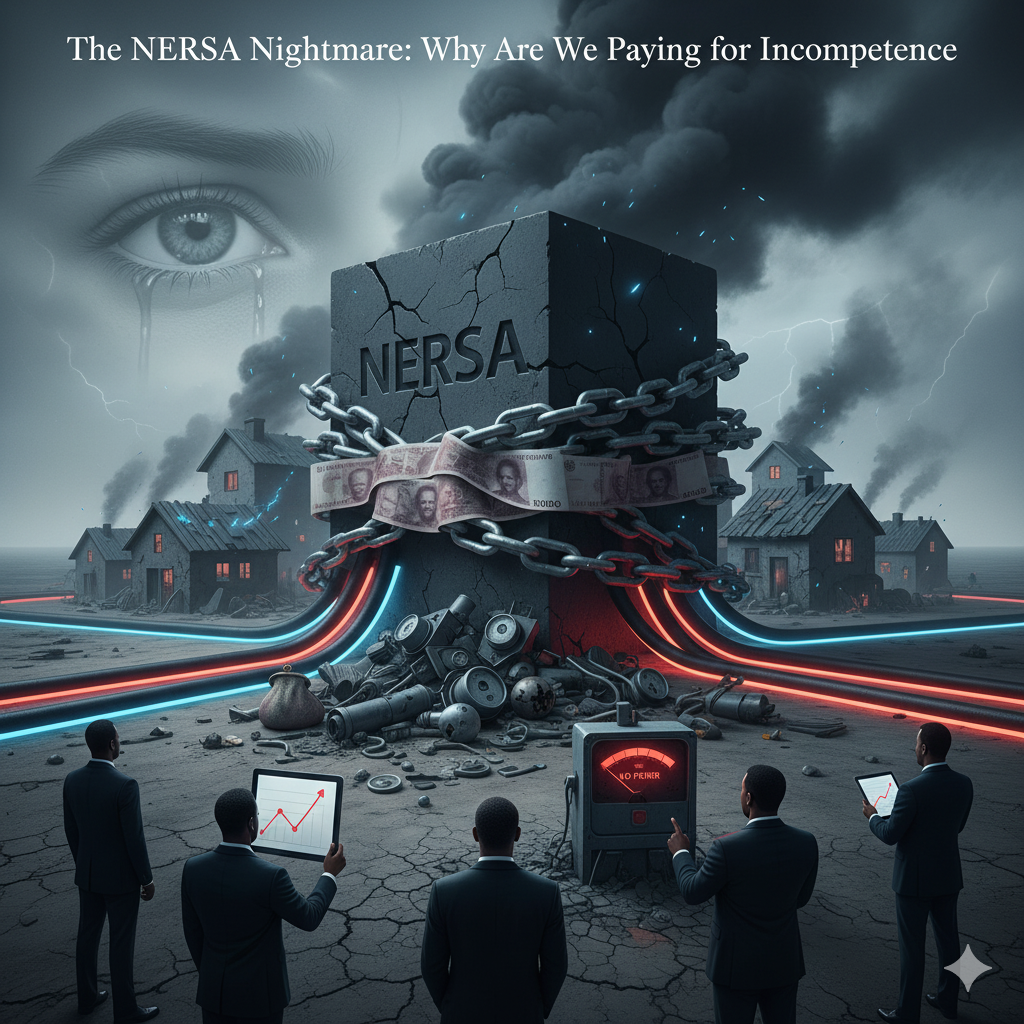
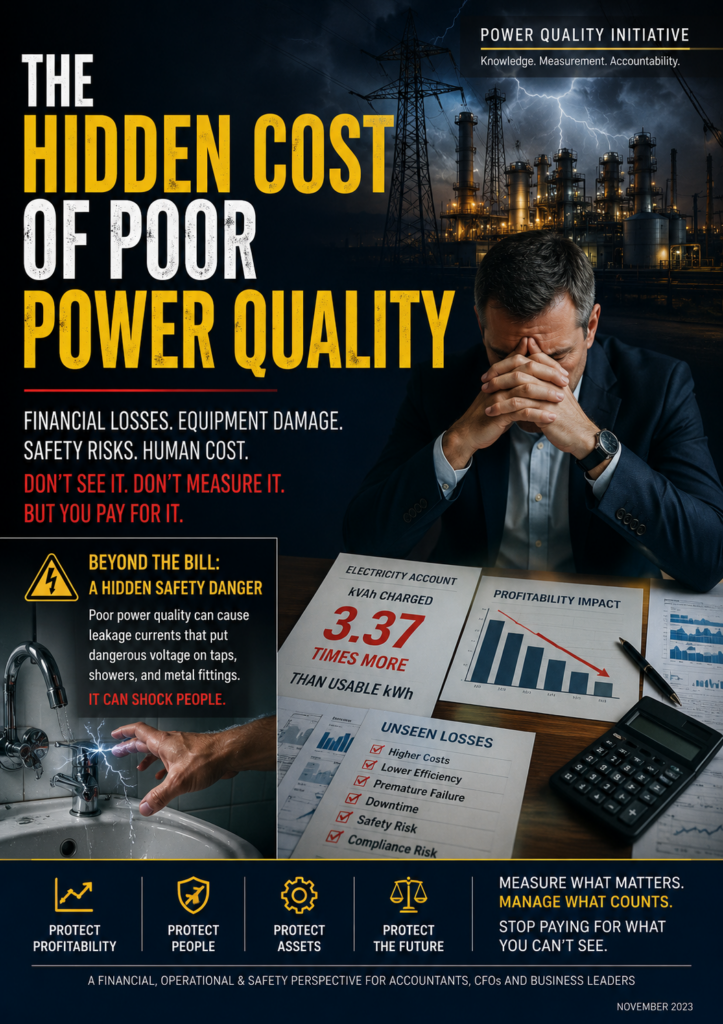
NERSA has once again proven its incompetence—ignoring critical warnings, losing court battles, and forcing consumers to pay billions for technical losses that stem directly from poor power quality. Instead of protecting the public, the regulator has become a liability, wasting taxpayer money while unbalanced networks quietly destroy our equipment and drain our economy. The question is unavoidable: why are we funding failure instead of demanding accountability?

Eskom stands at a crossroads, burdened by debt, inefficiency, and systemic mismanagement. The urgent need for reform is no longer a matter of debate—it is a matter of survival. Without decisive restructuring, improved governance, and a commitment to sustainable energy, South Africa risks deeper economic stagnation and continued power insecurity. The time for half-measures has passed; only bold, transparent action can restore trust and secure the nation’s energy future.

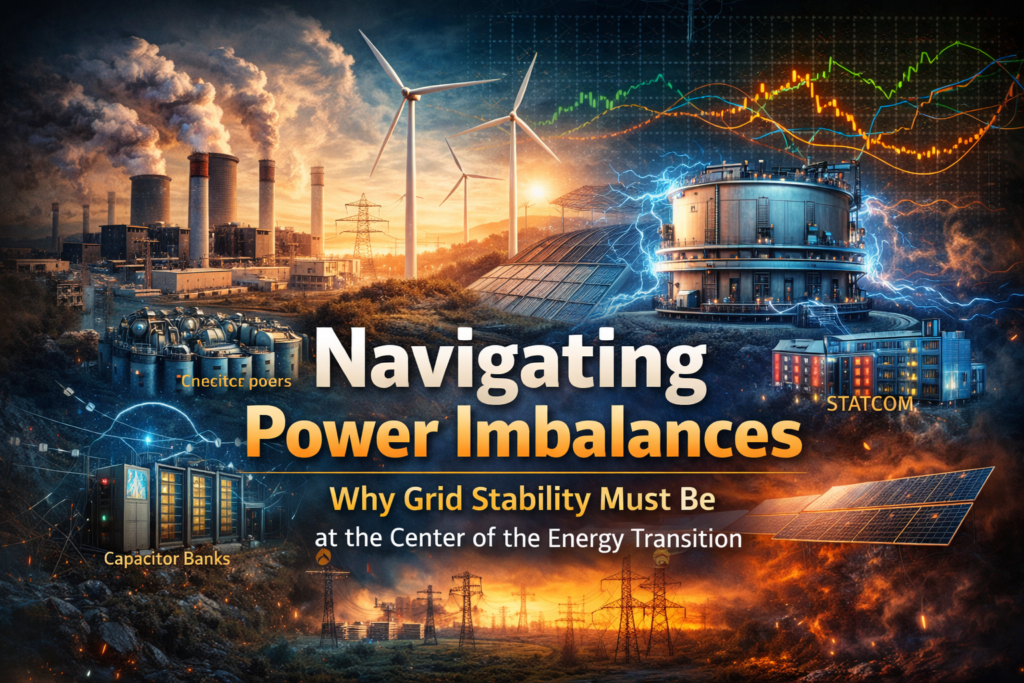
As renewable energy expands, power quality can no longer be treated as a technical afterthought—it must be a government priority. Poorly managed integration leads to instability, hidden costs, and reduced reliability across the grid. By enforcing stricter standards, investing in monitoring, and aligning policy with engineering realities, governments can ensure that renewables deliver not just clean energy, but dependable power that strengthens economies and communities.