As renewable energy expands, power quality can no longer be treated as a technical afterthought—it must be a government priority. Poorly managed integration leads to instability, hidden costs, and reduced reliability across the grid. By enforcing stricter standards, investing in monitoring, and aligning policy with engineering realities, governments can ensure that renewables deliver not just clean energy, but dependable power that strengthens economies and communities.
Asset Register Management, Best Practices
Modern Technologies in a Revolutionized Maintenance Practice

02
May
May
Modern technologies are revolutionizing maintenance by shifting organizations away from reactive fixes toward predictive, data-driven strategies. With tools like IoT sensors, AI analytics, and digital platforms, companies can anticipate failures, optimize asset performance, and reduce downtime. This transformation is not just about efficiency—it’s about creating resilient systems that deliver long-term value and position maintenance as a strategic driver of growth.

21
Jan
Jan
ransforming utility management is not about incremental tweaks—it’s about rethinking systems for efficiency, resilience, and long-term value. By embracing digital tools, data-driven insights, and sustainable practices, organizations can cut costs, improve reliability, and unlock new opportunities for growth. The future belongs to those who treat utility management as a strategic asset, not just an operational necessity.

14
Jan
Jan
Investigating poor power quality requires more than surface-level checks—it demands a consultant’s disciplined approach. By analyzing voltage stability, harmonics, and load imbalances, experts uncover the hidden causes of inefficiency and equipment failure. A structured methodology not only identifies risks but also provides actionable solutions that improve reliability, reduce costs, and strengthen the resilience of the entire power network.

08
Jan
Jan
Zero-based budgeting is more than a financial exercise—it’s a mindset shift that drives smarter business planning. By justifying every expense from the ground up, organizations gain clarity, eliminate waste, and align resources directly with strategic priorities. This disciplined approach not only improves efficiency but also empowers leaders to make bold, informed decisions that fuel sustainable growth.

07
Jan
Jan
Improving power quality is more than a technical upgrade—it’s the foundation of sustainability and efficiency. Poor quality erodes equipment, inflates costs, and undermines reliability, while high-quality power enables smarter grids, longer asset lifecycles, and reduced environmental impact. By prioritizing monitoring, standards, and proactive management, organizations and governments can unlock cleaner, more dependable energy that drives both economic growth and long-term resilience.

31
Dec
Dec
ransforming maintenance management means moving beyond paper records to embrace lifecycle asset management. Manual systems hide inefficiencies, delay insights, and increase costs, while digital platforms provide real-time visibility, predictive analytics, and strategic control. By adopting a lifecycle approach, organizations can extend asset longevity, reduce downtime, and turn maintenance into a driver of sustainable growth rather than a reactive burden.

03
Dec
Dec
Strategic management in utilities demands more than operational oversight—it requires clear KPIs and disciplined budgeting to align performance with long-term goals. By measuring efficiency, reliability, and financial sustainability, organizations can transform data into actionable insights. When budgeting is tied directly to strategic priorities, utilities not only control costs but also unlock resilience, innovation, and growth in an increasingly complex energy landscape.
28
Nov
Nov
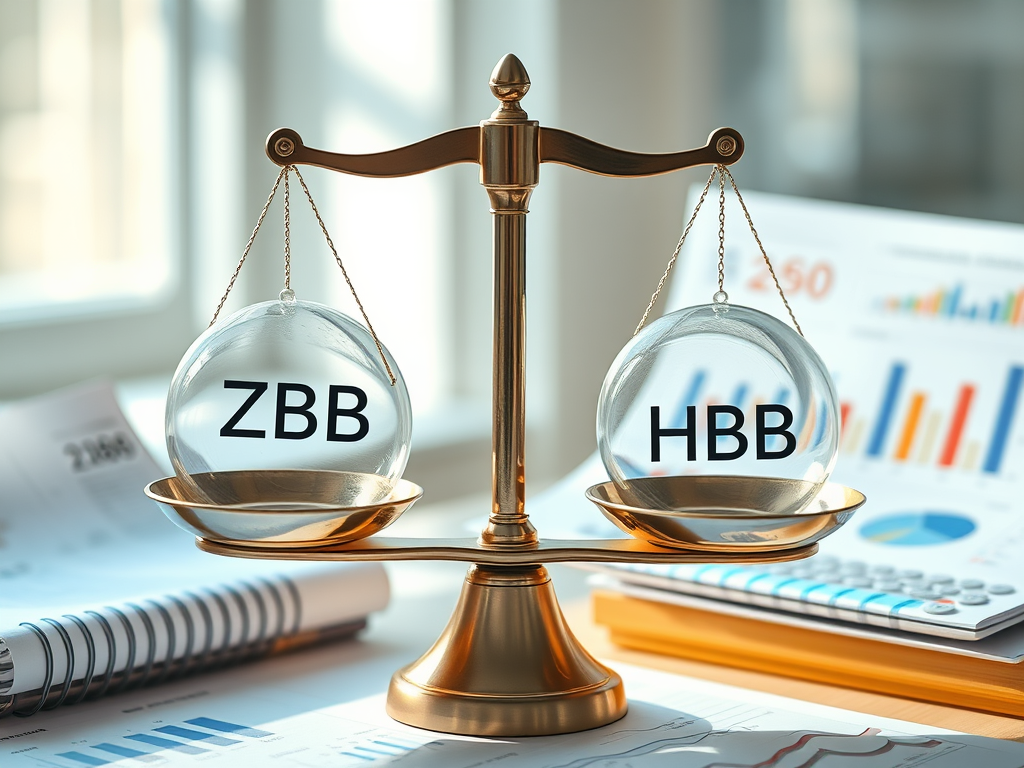
Zero-based budgeting is the key to optimal control—forcing organizations to justify every expense from the ground up. Unlike traditional methods that carry forward inefficiencies, this disciplined approach ensures resources are allocated only where they deliver measurable value. By aligning budgets with strategic priorities, leaders gain transparency, eliminate waste, and empower smarter decision-making that drives sustainable growth.

26
Nov
Nov
Electricity tariff increase submissions must be evaluated with rigor, transparency, and fairness. A comprehensive framework considers not only financial sustainability but also efficiency, equity, and long-term impact on consumers and the economy. By applying clear criteria—covering cost drivers, performance benchmarks, and accountability measures—regulators can ensure that tariff decisions balance the needs of utilities with the rights of the public, fostering trust and stability in the energy sector.