26
May
May
Notice: JavaScript is required for this content.

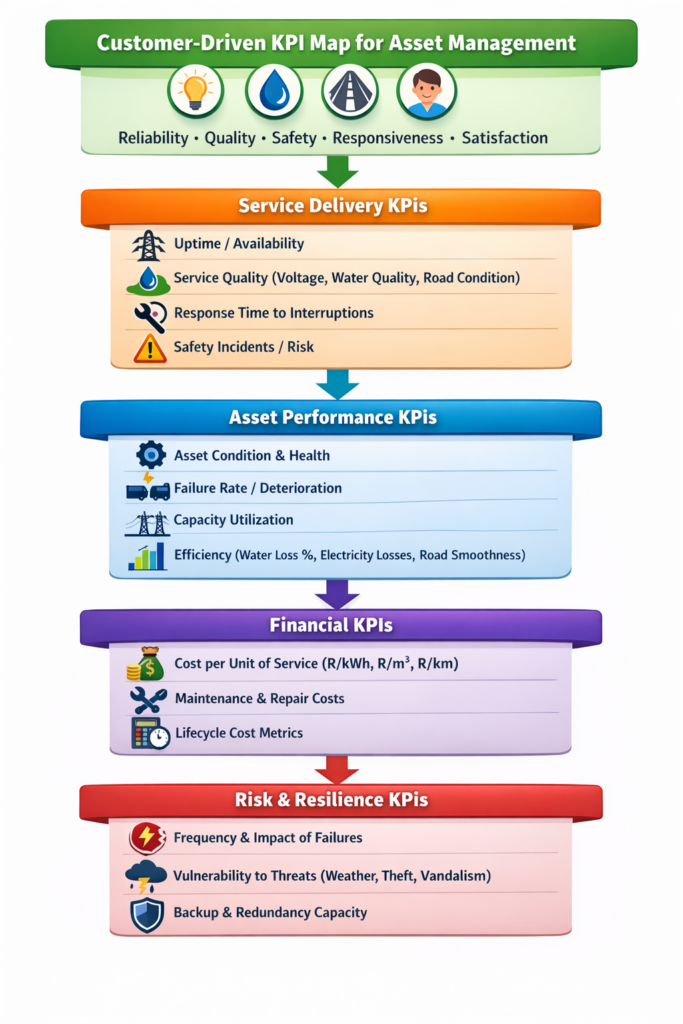
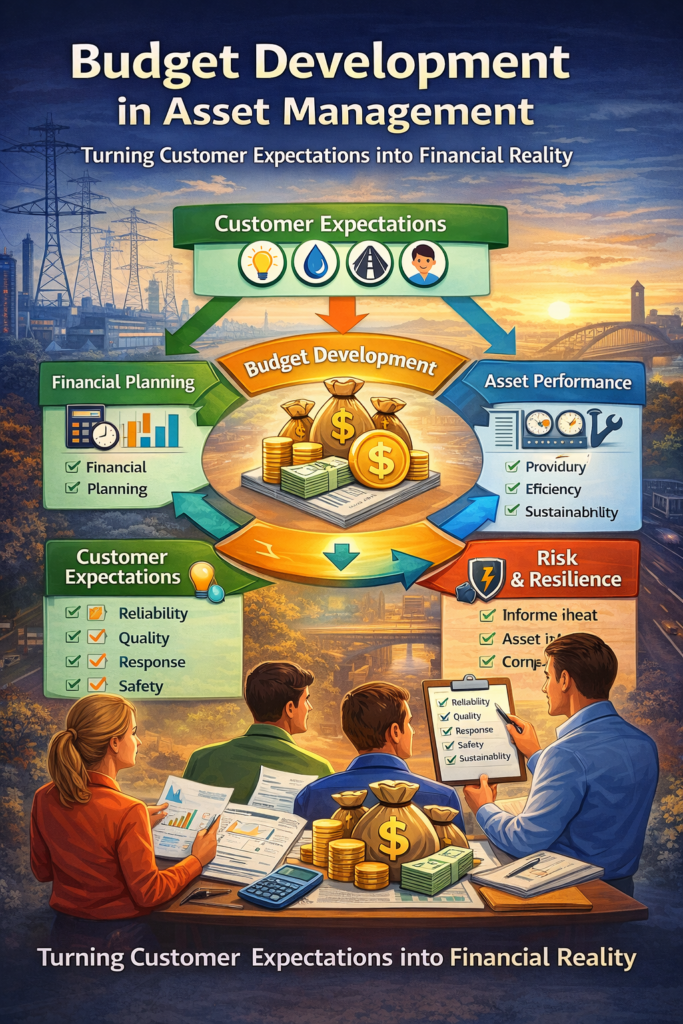
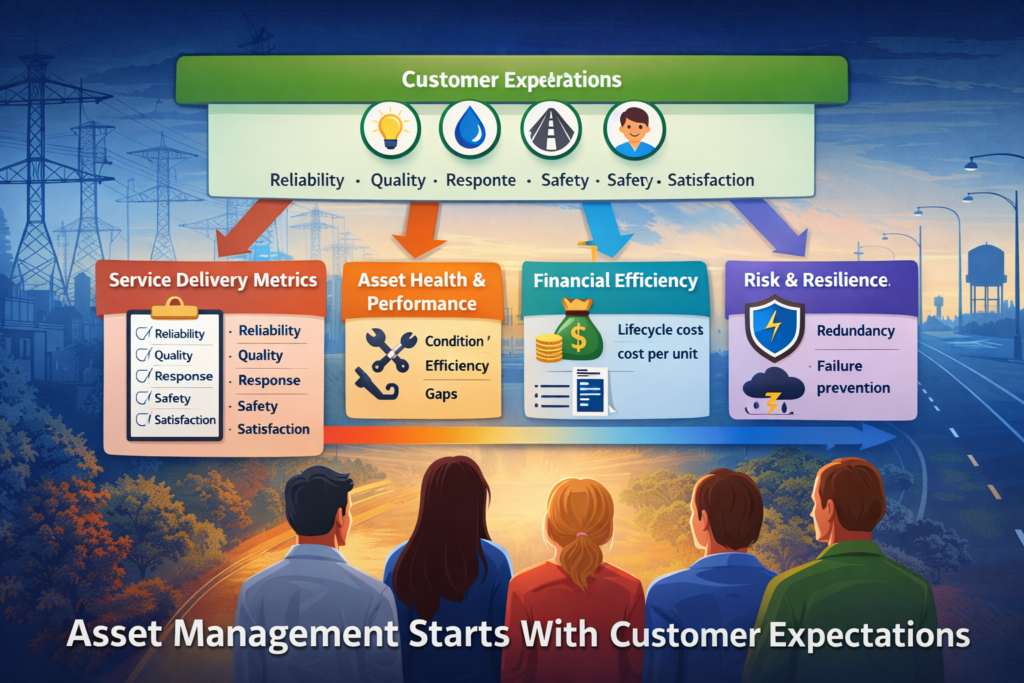
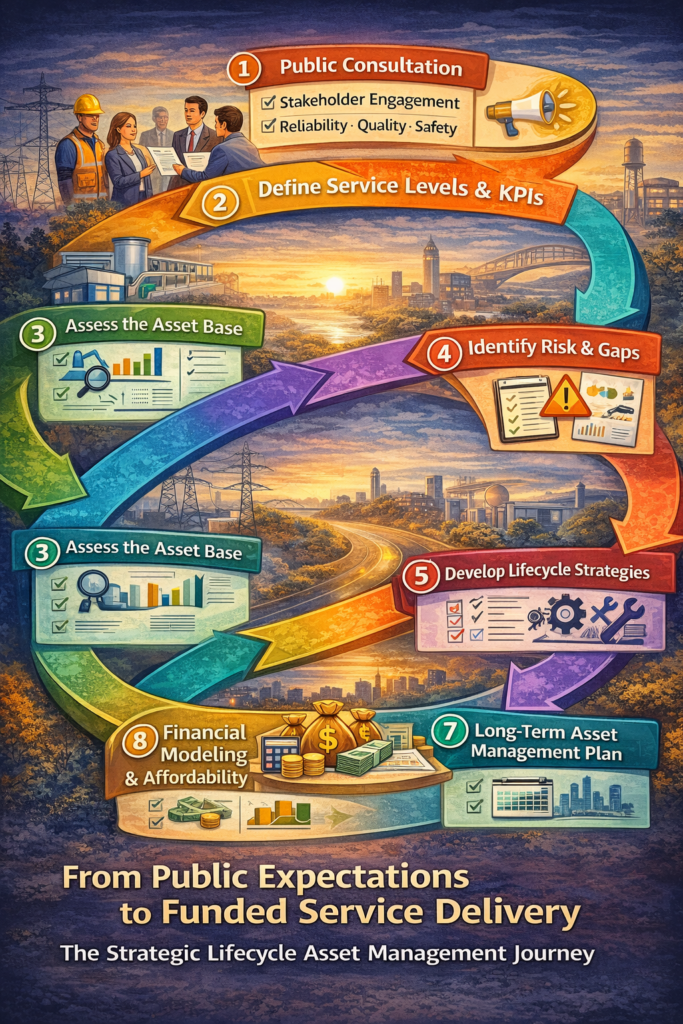
Best Practices in physical Asset Management include the reviewing the asset inventory, preparing an asset inventory and system map, adjusting the asset inventory, developing a condition assessment and rating system for each asset, assessing remaining useful life of the assets, and determining asset values and repair/rehabilitating/replacement costs.
Notice: JavaScript is required for this content.

Notice: JavaScript is required for this content.
Notice: JavaScript is required for this content.
Notice: JavaScript is required for this content.
Notice: JavaScript is required for this content.
Notice: JavaScript is required for this content.

Notice: JavaScript is required for this content.
Here is a **concise, strong excerpt** suitable for a **website blog preview, homepage teaser, or newsletter intro** (±70–90 words):
—
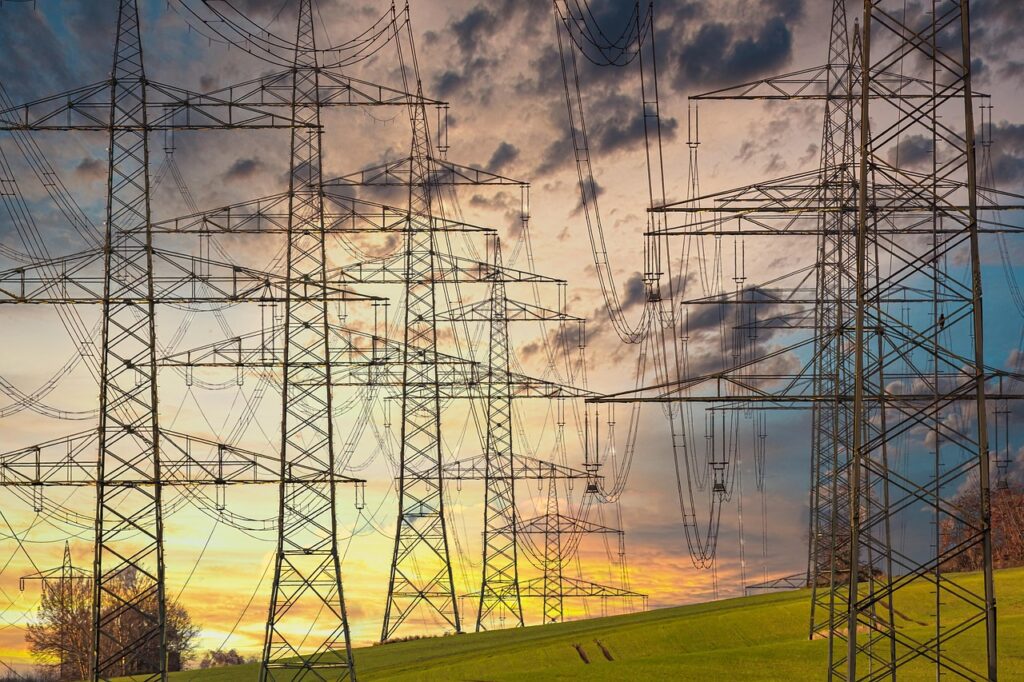
South Africans are once again being asked to pay more for electricity while receiving less of it. NERSA’s Redetermination of Eskom’s MYPD6 Regulated Asset Base attempts to shift the cost of decades of mismanagement, inefficiency, and regulatory failure onto consumers. In a context of declining demand, chronic load shedding, worsening power quality, and repeated court losses by the regulator, this decision is neither fair nor defensible. This article explains why the MYPD6 RAB Redetermination must be rejected in full—and why consumers should no longer be forced to carry Eskom’s baggage.

Future-proofing asset management is not about chasing trends—it’s about building resilient systems that unlock growth over decades. By aligning lifecycle planning, digital transformation, and sustainability, organizations can move beyond short-term fixes and create infrastructure that thrives in uncertainty. The companies that embrace this shift will not only protect their assets but also position themselves as leaders in long-term success.